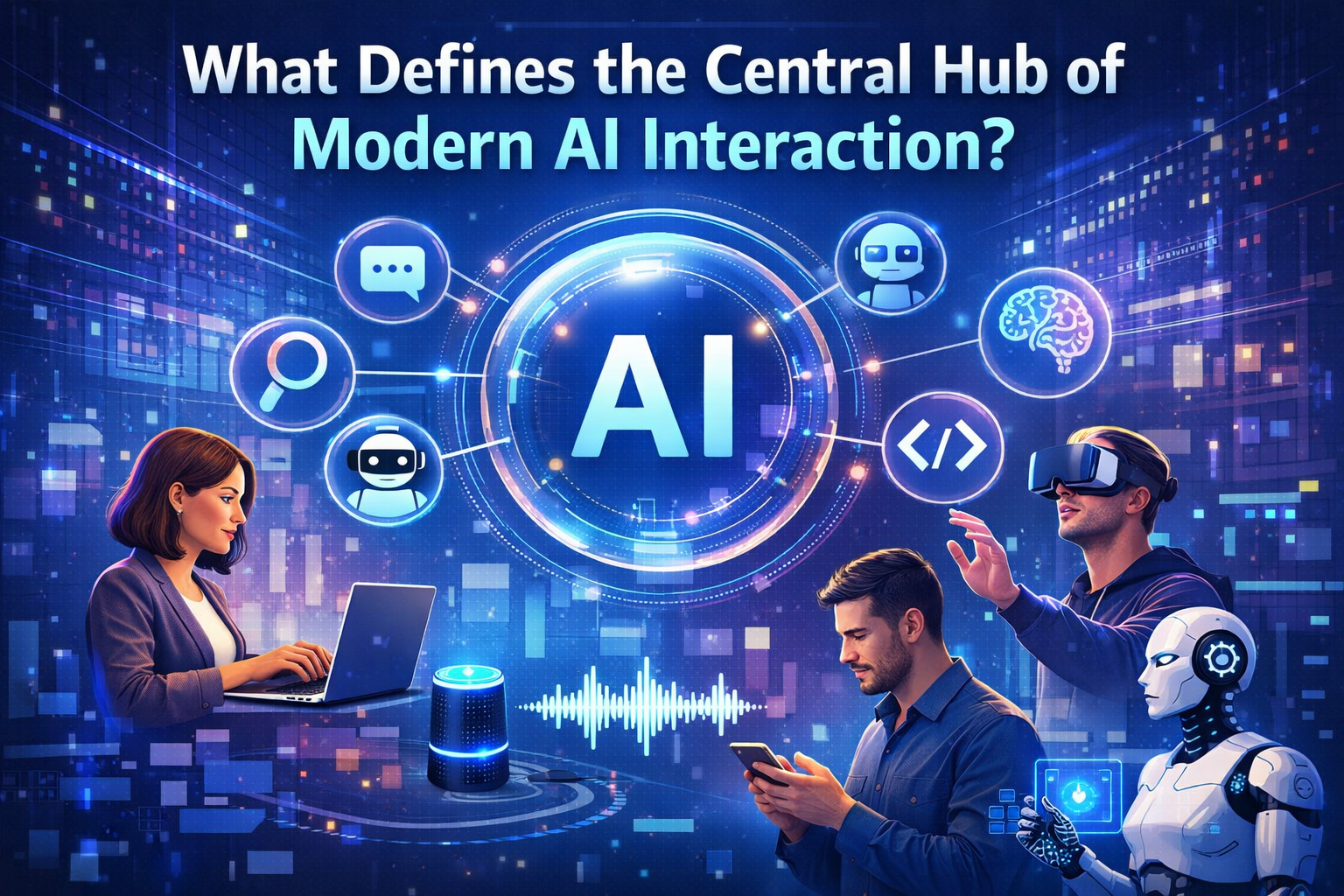

In the landscape of conversational AI, where the magic happens in the dialogue, it’s easy to overlook the stage upon which it’s set. Yet, the official website and application for a platform are far more than a simple entry point. They function as the central nervous system of the entire user experience—a digital town square, an infinite library, and a creative workshop all rolled into one. This hub’s design, architecture, and evolving features don’t just provide access to AI; they actively shape the culture of interaction, dictate the possibilities for creation, and fundamentally define what the platform is. To understand a modern AI service is to examine the portal through which millions engage with it every day.
The Portal as an Infinite Library of Personas
Upon arriving at the official site, a user’s first experience is typically one of overwhelming choice. Unlike utilitarian AI tools that present a blank slate, these hubs are designed for discovery. Users are greeted by an endlessly scrollable gallery or a searchable database of thousands, if not millions, of AI characters. This interface philosophy is intentional: it frames the platform not as a single tool, but as a gateway to a vast, user-generated universe. You can filter by category—helpers, celebrities, original characters, game personas—transforming the act of starting a conversation from a task into an act of exploration. This “library” model empowers users to browse narratives and personalities, making the first click an exercise in curiosity and setting the expectation that the platform’s primary value is in its diverse, community-driven content.
Anyone researching defines central hub may also want to understand 1tb storage enough gaming before deciding on the best option.
The Integrated Creator’s Workshop
If browsing the library is the heart of the experience, the integrated creation suite is its soul. The most defining feature of a modern AI hub is that it empowers every user to become an author. This is not a hidden developer tool; it is a core, accessible function front-and-center. The workshop allows users to build a character from the ground up: defining a name, crafting a detailed biography, writing example dialogues to teach speech patterns, and selecting attributes that shape personality. This process demystifies AI, turning users from passive consumers into active engineers of digital consciousness. The success of a creation is then democratically determined by the community through usage and ratings. This feature transforms the platform from a static service into a living, breathing ecosystem that grows exponentially with its user base, ensuring a perpetual influx of fresh creativity.
The Evolution from Text to a Multimedia Experience
The trajectory of these hubs clearly moves beyond the pure text-based interactions of their predecessors. The modern interface is a multimedia environment. While the chat window remains central, it is now augmented by features like voice synthesis, allowing characters to speak their replies with generated audio. Technologies like AvatarFX animate static character images, giving them facial expressions and lip-synced motion, adding a visual layer to the conversation. The mobile app further enhances this with capabilities to create shareable video clips from conversations or drop characters into interactive scenes. This shift from a purely textual space to a multi-sensory one deepens immersion, caters to different learning and interaction styles, and opens new avenues for creativity and content sharing, making the AI feel more present and dynamic.
Navigating the Ecosystem: Access, Community, and Scale
The architecture of the hub also manages the practical realities of a global service. It transparently balances a robust free tier—which grants full access to conversation and creation—with premium subscriptions that offer perks like priority access during high traffic or early feature previews. Crucially, the design incorporates community feedback mechanisms directly into the interface, such as rating systems for AI responses and the ability to publicly share and discover popular character creations. This fosters a powerful sense of shared ownership. The hub is not just a place you use; it’s a place you help build and curate. This structure turns users into stakeholders, creating a vibrant, self-sustaining culture around the technology. For a detailed examination of how one such platform orchestrates this complex experience, an analysis of the official Character.ai website and its comprehensive feature set provides a clear blueprint.
The Hub as the True Product
Ultimately, the official website and app are the true product. The advanced AI model is the engine, but the hub is the vehicle—it determines how users access the power, what they can build with it, and how they connect with others doing the same. By prioritizing discoverability through its library model, democratizing creation with its workshop, and fostering community through integrated feedback, the hub establishes the platform as a unique socio-creative space. It successfully reframes conversational AI from a utilitarian task-oriented tool into a platform for entertainment, artistic expression, and social connection. The design ensures that every interaction, no matter how profound or silly, is rooted in a wider, shared digital world, proving that the most intelligent interface is one that gets out of the way of human imagination while giving it the tools to build.

 By
By